Wander Lines, 2025
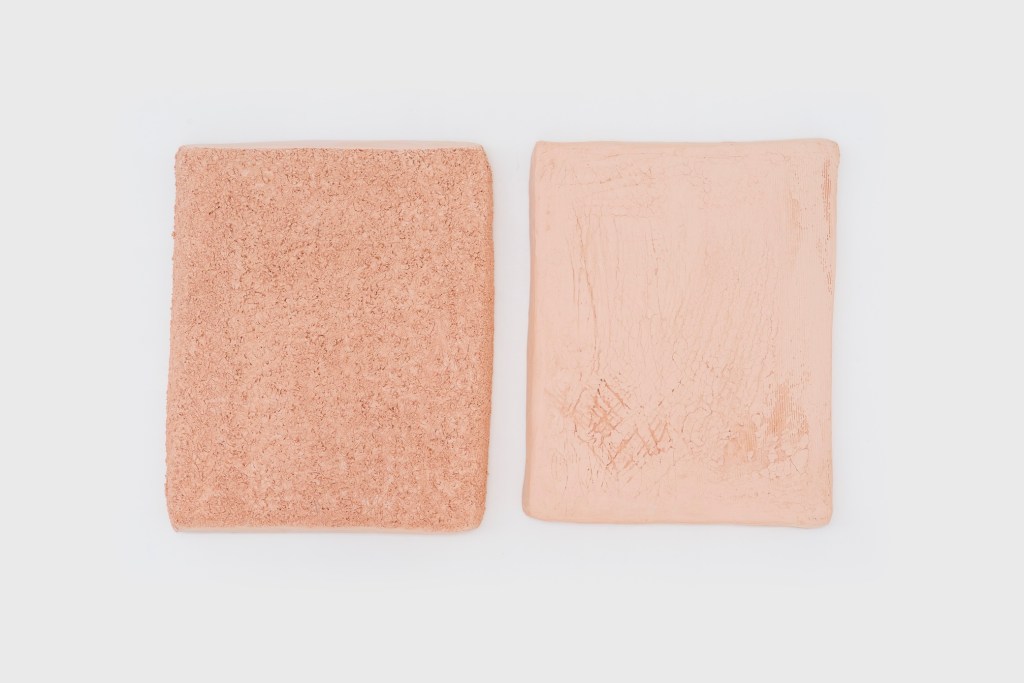
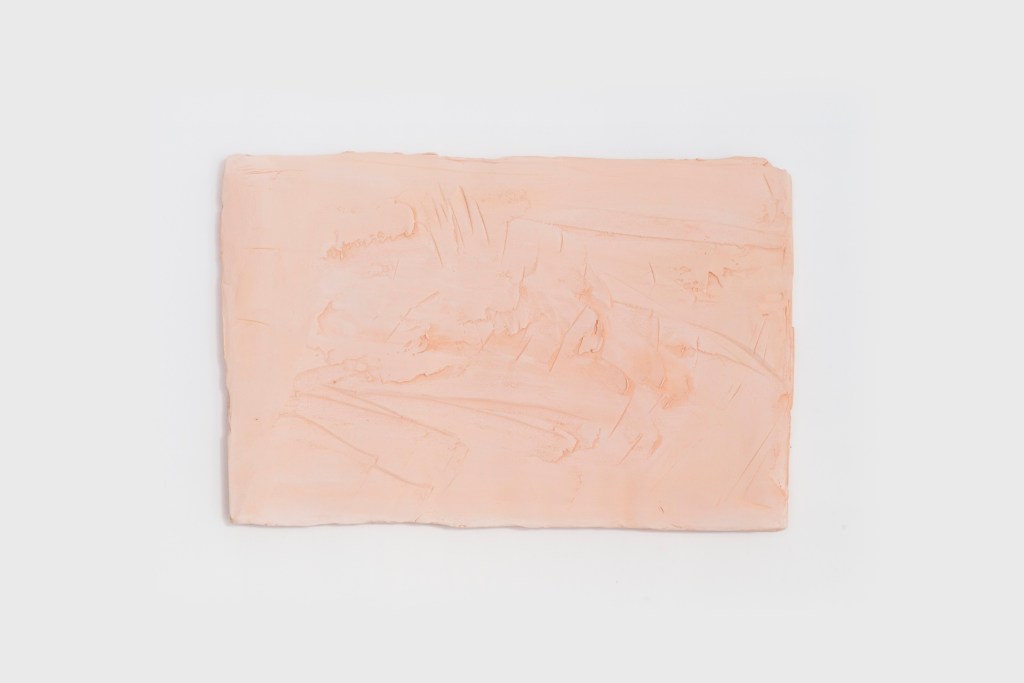
series of ceramic works
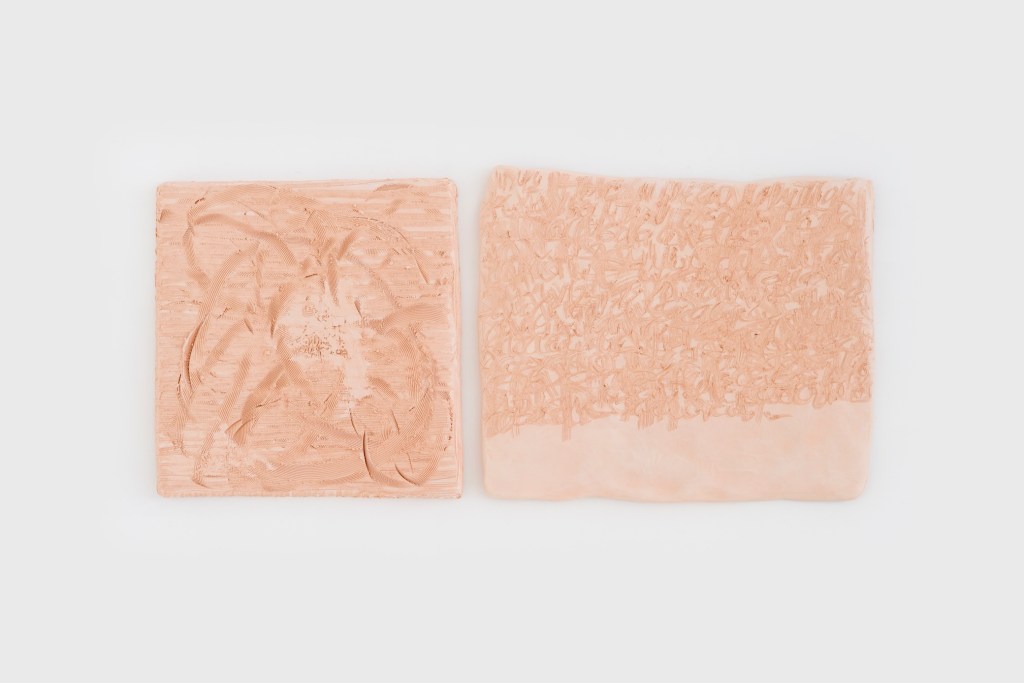
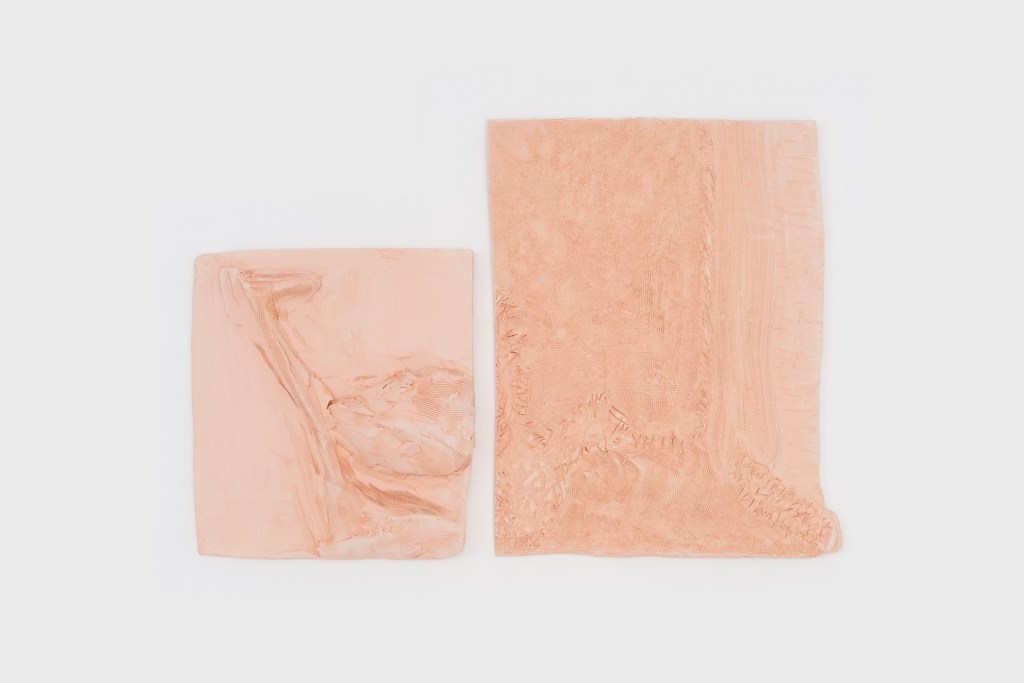
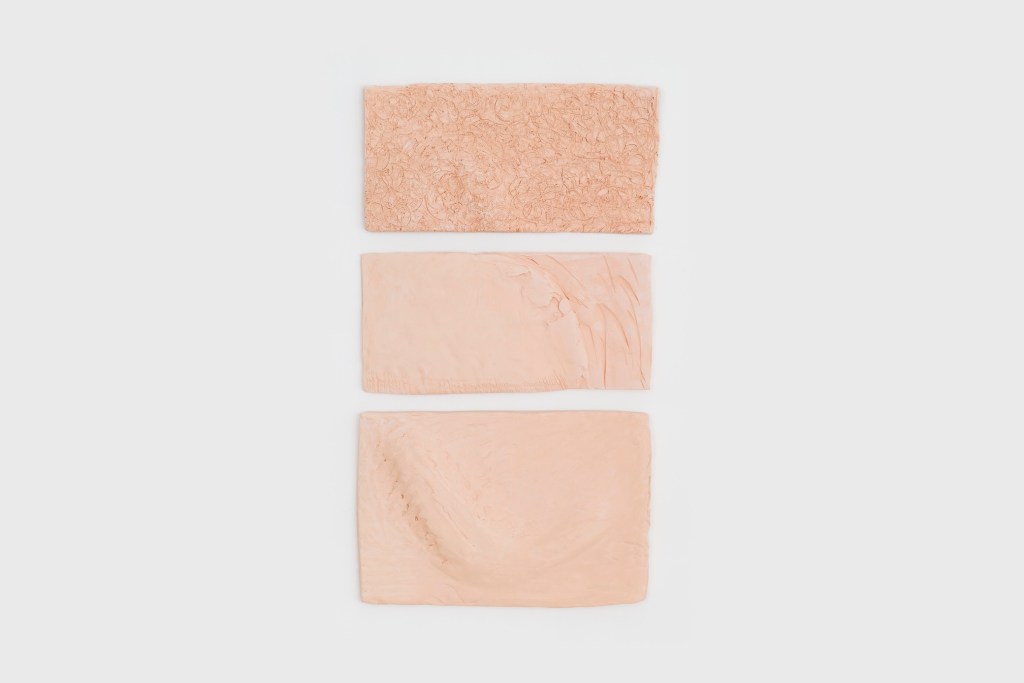
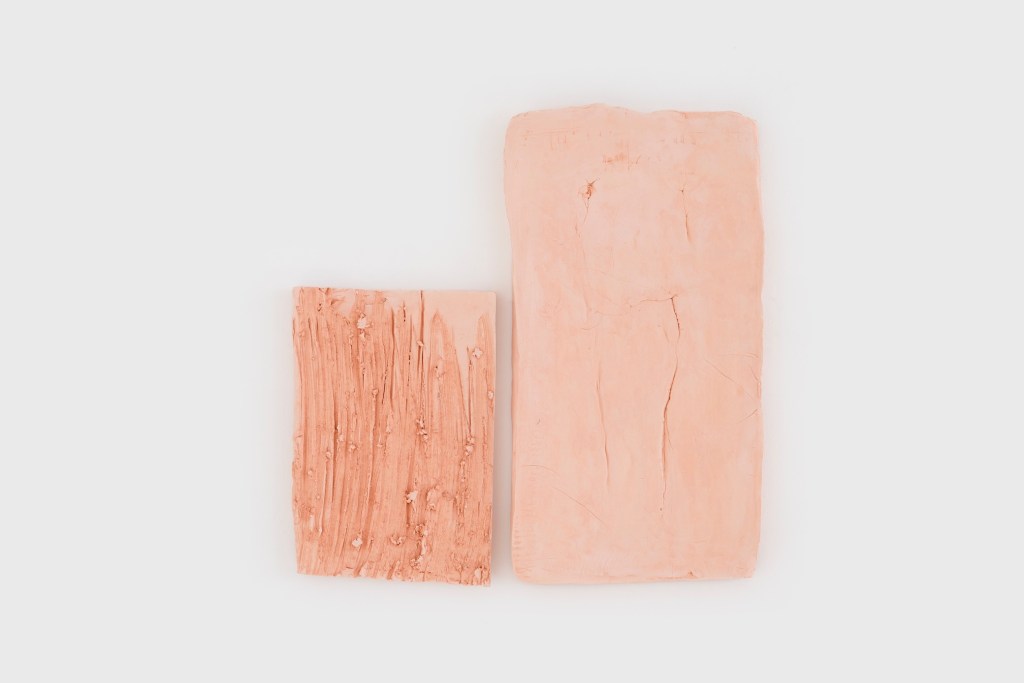
In the series of works entitled Wander Lines, Paky Vlassopoulou engages in a form of somatography, a bodily inscription through matter, that resists the primacy of the visual and the linguistic in favor of tactile, affective and situated knowledge.
These works draw inspiration from the radical methodologies of Fernand Deligny (1913–1996), a French thinker and educator known for his pioneering work with non-verbal, autistic children. Rejecting conventional therapeutic frameworks, Deligny developed alternative modes of care based on cohabitation and attentive observation, most notably through his lignes d’erre—drawn traces of the children’s spontaneous wanderings through space. For Deligny, these gestures were not symbolic representations but vital expressions of presence and relation. Echoing this approach, Vlassopoulou does not depict from a distance but rather inhabits material. Her gestures across clay form a quiet choreography of touch, a non-verbal dialogue grounded in movement, repetition and
proximity.
Her practice also resonates with the sensual and conceptual vocabulary of Lebanese artist Huguette Caland, particularly the series Silent Letters. Like Caland’s work, Vlassopoulou’s pieces function as fragments of somatic time—scores marked by the pressure of fingers, the weight of breath, the rhythm of being-with. The resulting compositions do not offer a landscape as image, but as experience: an earthy horizon formed through auto-somatic inscription, where clay becomes a site of memory—of imprint, vibration, and echo.
In this materially intimate and affective register, Vlassopoulou’s language resists disembodied abstraction. Instead, she crafts a space where form is grounded in the sensual, the provisional, and the profoundly relational—an earthbound practice that invites us to feel, rather than interpret, the gestures of connection embedded in the surface of things.
 pakyvlassopoulou.com